
If you’ve scrolled through Pinterest or TikTok lately, you’ve probably noticed something: amigurumi isn’t just “cute crochet animals” anymore. It’s grown up. What started as a simple way to make adorable stuffed toys has turned into a full creative movement — one where crocheters are pushing stitch counts, sculptural shaping, and storytelling further than ever before
Whether you’ve been crocheting for years or you just finished your first granny square, 2026 is a genuinely exciting time to fall in love with amigurumi. Here’s what’s changing, why it matters, and how you can jump in — no matter your skill level.
What Exactly Is Amigurumi, Again?
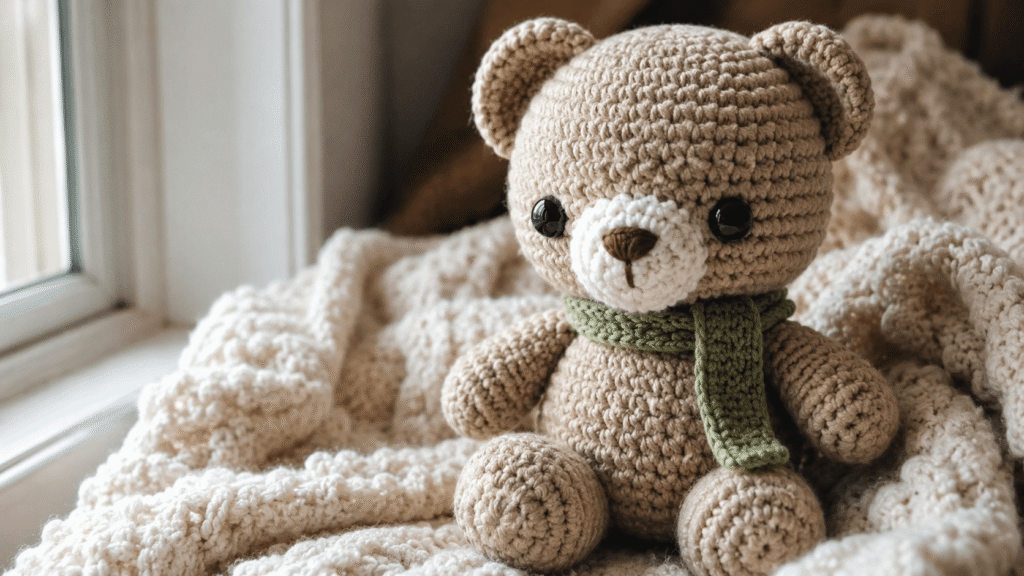
For anyone newer to the craft: amigurumi is the Japanese art of crocheting (or knitting) small, stuffed creatures — usually animals, but increasingly anything you can imagine, from dragons to desserts to tiny replicas of someone’s pet. The name comes from combining the Japanese words for “crocheted or knitted” (ami) and “stuffed doll” (nuigurumi).
What makes amigurumi so satisfying is the combination of technique and personality. You’re not just following a pattern — you’re bringing a little character to life, stitch by stitch.
The Shift: From “Cute” to “Collectible”
Here’s the biggest change we’re seeing in 2026. Amigurumi used to live almost entirely in one lane: soft, round, big-eyed, unmistakably “kawaii.” That style isn’t going anywhere — it’s still beloved for a reason — but it’s no longer the only lane.
Designers are increasingly treating amigurumi as a legitimate art form, not just a beginner craft. That shows up in a few clear ways:
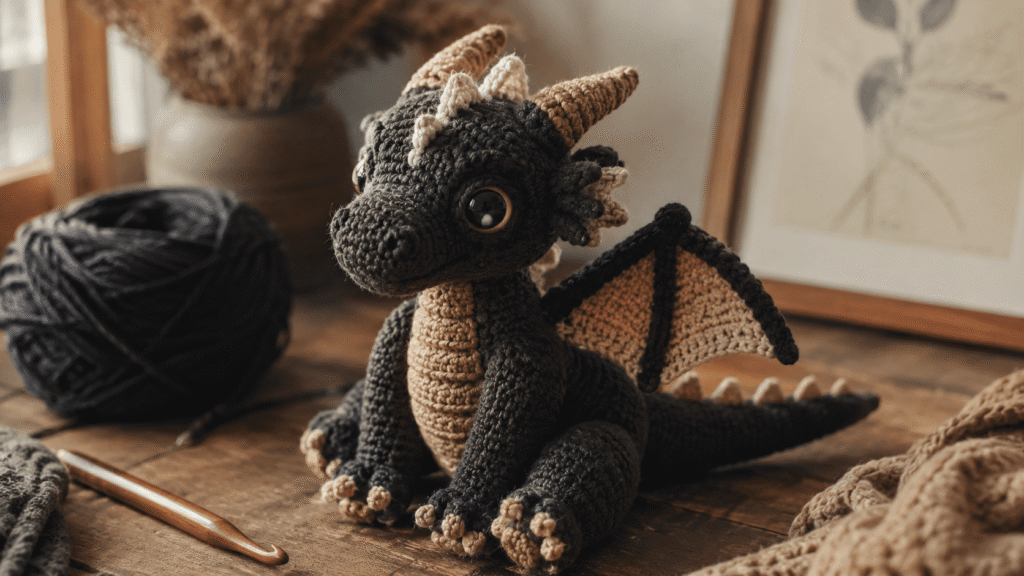
More detailed anatomy. Instead of a generic four-legged blob with ears, patterns are leaning into accurate proportions, textured surfaces, and layered shaping — think scales, feathers, fur gradients, or muscle definition on more fantastical creatures like dragons.
Mixed-media finishing. Safety eyes are being swapped or supplemented with embroidered details, felted accents, wire armatures for posability, and even small paint touches for shading. The goal is a piece that looks like it belongs on a shelf, not just in a toy basket.
Complex, sculptural bodies. Rather than working in the round with simple increases and decreases, more advanced patterns now use short rows, intarsia-style color changes, and multi-piece assembly to create genuinely three-dimensional forms — bent wings, curled tails, expressive poses.
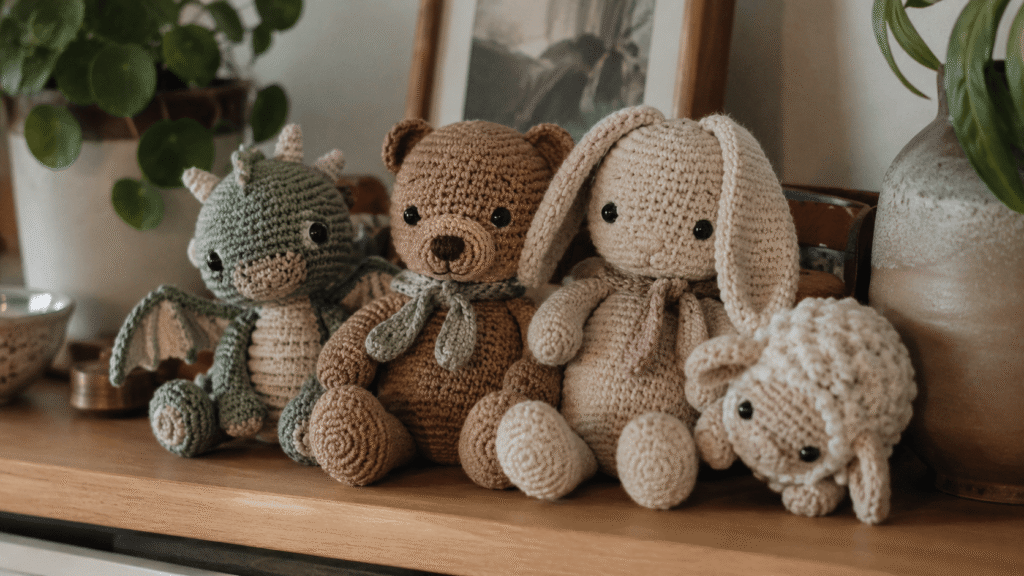
A collector’s mindset. People aren’t just making one amigurumi and calling it done. Limited pattern “drops,” seasonal variations, and series (think: a whole set of mythical creatures, or a rotating cast of characters) are becoming common, mirroring how people collect figurines or trading cards.
Why This Trend Is Taking Off
A few things are fueling this shift:
- Social media loves a transformation story. A time-lapse video of a dragon amigurumi going from a flat circle to a fully posed, textured creature is inherently satisfying to watch — and it performs well on platforms built around short-form video.
- Crocheters want a challenge. As more people pick up the basics through beginner-friendly tutorials, there’s growing appetite for patterns that stretch their skills without requiring an entire wardrobe’s worth of yarn.
- Handmade = meaningful gift-giving. A collectible-quality amigurumi feels like a genuine keepsake, not just a toy — which makes it a popular choice for gifts, especially for milestone occasions.
- It fits the broader “slow fashion and slow craft” movement. Just like the rest of the crochet world, amigurumi is riding the wave of people wanting to make things that last, rather than buy something mass-produced and disposable.
What This Means If You’re a Beginner
Don’t worry — this evolution doesn’t mean amigurumi got harder to start. If anything, there are more entry points than ever:
- Start with a simple, well-written pattern. Look for one with clear stitch counts at the end of each round and a photo (or better, a diagram) for tricky steps like limb attachment.
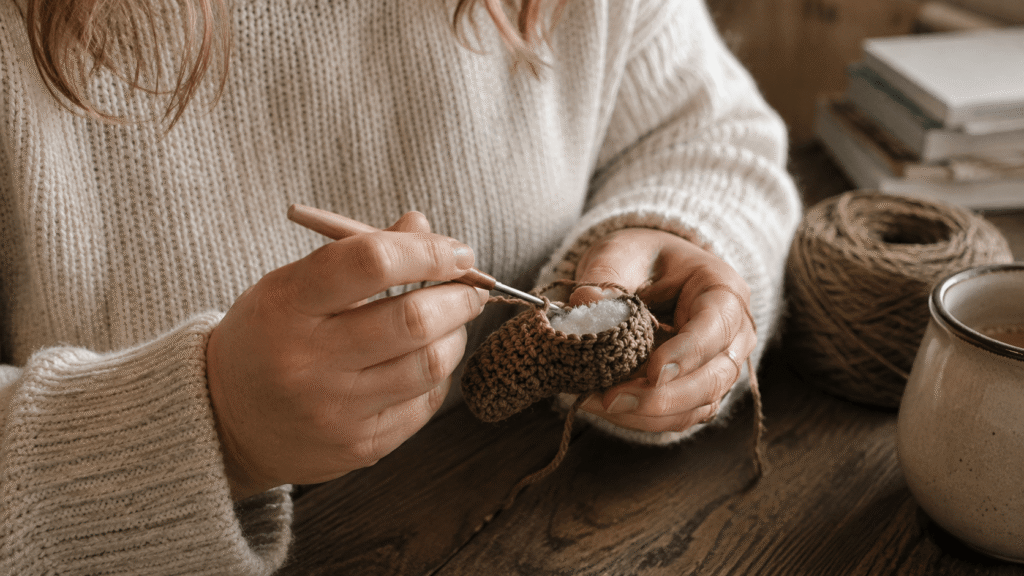
- Master the six basics first: magic ring, single crochet, increase, decrease, invisible decrease, and basic sewing/stuffing technique. Almost every amigurumi pattern, no matter how advanced, is built from these same building blocks.
- Don’t skip the finishing steps. A huge amount of an amigurumi’s personality comes from how it’s finished — eye placement, stuffing firmness, and a few embroidered details can transform a “just okay” result into something that looks genuinely professional.
- Pick one detail to level up at a time. Try your first textured surface (like loop stitch for fur) or your first posable piece (with a simple pipe cleaner armature) once you’re comfortable with the basics. You don’t need to jump straight to a complex dragon.
Tips for Leveling Up If You’re More Experienced
If you’ve already made a handful of amigurumi and you’re ready for more of a challenge, 2026’s trends give you plenty of directions to explore:
- Experiment with texture stitches — loop stitch, bobble stitch, and post stitches can all add dimension that makes a piece feel more “alive.”
- Try wire armature for posability. A simple length of florist wire inside the legs, tail, or wings lets you pose your finished piece instead of it sitting stiffly upright.
- Play with color blending. Techniques borrowed from tapestry crochet (carrying multiple colors and switching them mid-round) can create gradient effects that read as much more sophisticated than solid-color pieces.
- Think in “series.” Instead of picking one project, consider a themed set — a few creatures that share a color palette, a size, or a story. It’s a great way to build a genuinely collectible little world of your own.
A Fun Middle Ground: Fantasy Creatures
One of the clearest signs of this “cute to collectible” shift is the rise of fantasy-themed amigurumi — dragons, griffins, and other mythical creatures that let designers combine detailed anatomy with a bit of storytelling magic. They’re popular precisely because they sit right at the intersection of the two worlds: still approachable enough for an intermediate crocheter, but detailed enough to feel like a genuine collectible piece once it’s finished.
If you’ve ever been curious about trying a more sculptural amigurumi project, a dragon pattern is honestly one of the most rewarding places to start — the wings and spikes give you texture practice, while the body shaping teaches you the sculptural techniques that carry over into almost any advanced amigurumi design.
Final Thoughts
Amigurumi in 2026 is proof that a craft can stay accessible and become more artistically ambitious at the same time. Whether you’re stitching your very first tiny animal or you’re chasing a fully posable, textured creature for your shelf, there’s more room than ever to grow — at whatever pace feels right for you.
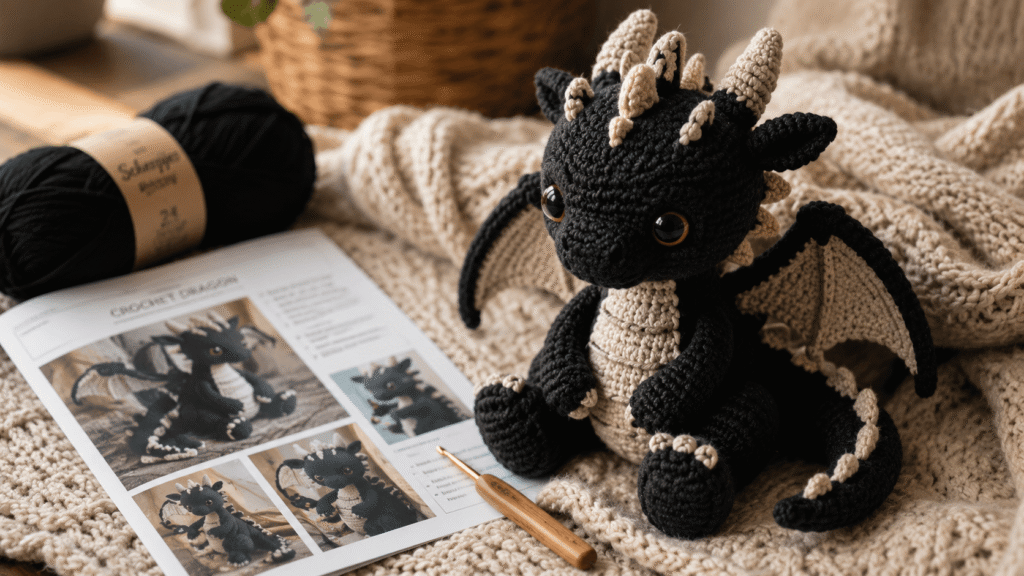
And if you’re looking for a pattern to try this trend for yourself, it might be worth taking a look at what’s available in our shop — we’ve got a few designs, including a detailed dragon amigurumi, that fit right into where this craft is heading.
Happy hooking! 🧶